






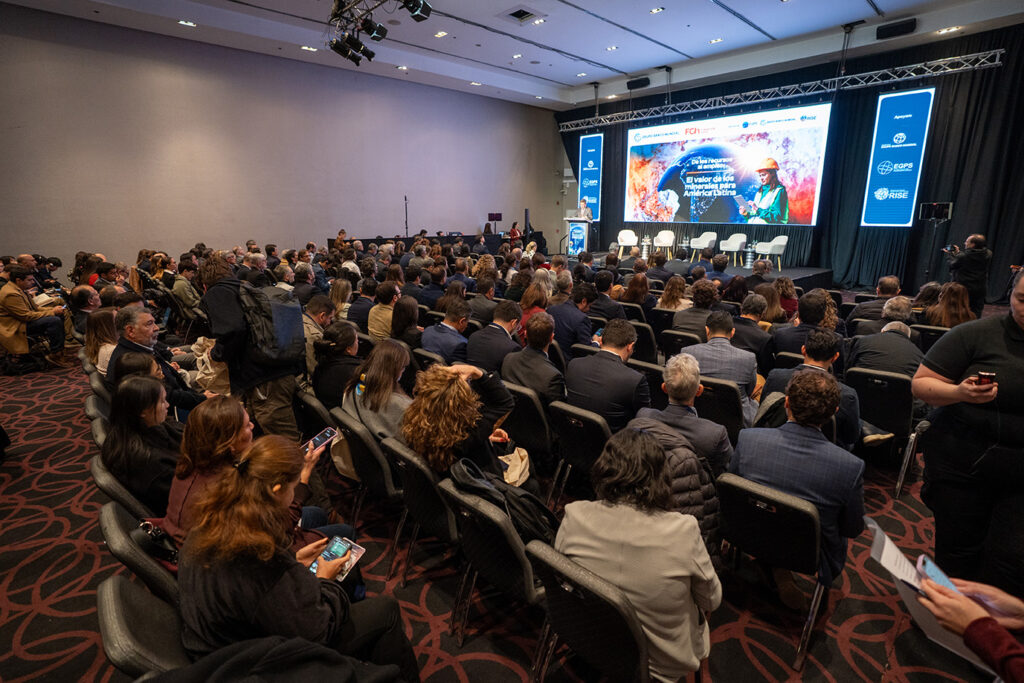
- At the event “From Resources to Jobs: The Value of Minerals for Latin America,” authorities, multilateral organizations, mining executives, and international experts analyzed how the region can capture greater value from mining, with a focus on employment, industrialization, infrastructure, and territorial development.
Santiago, June 2026. With the participation of authorities from Chile and Latin America, representatives of the World Bank Group, ambassadors, mining executives, multilateral organizations, and international experts, the event “From Resources to Jobs: The Value of Minerals for Latin America” was held in Santiago, organized by Fundación Chile and the World Bank Group.
The activity was supported by the Extractives Global Programmatic Support (EGPS), through its Resilient and Inclusive Supply-chain Enhancement Partnership (RISE), an initiative that brings together partners such as Australia, Canada, Switzerland, the Netherlands, Japan, Italy, and the United Kingdom, among others, to strengthen the sustainable development of supply chains in the extractive sector.
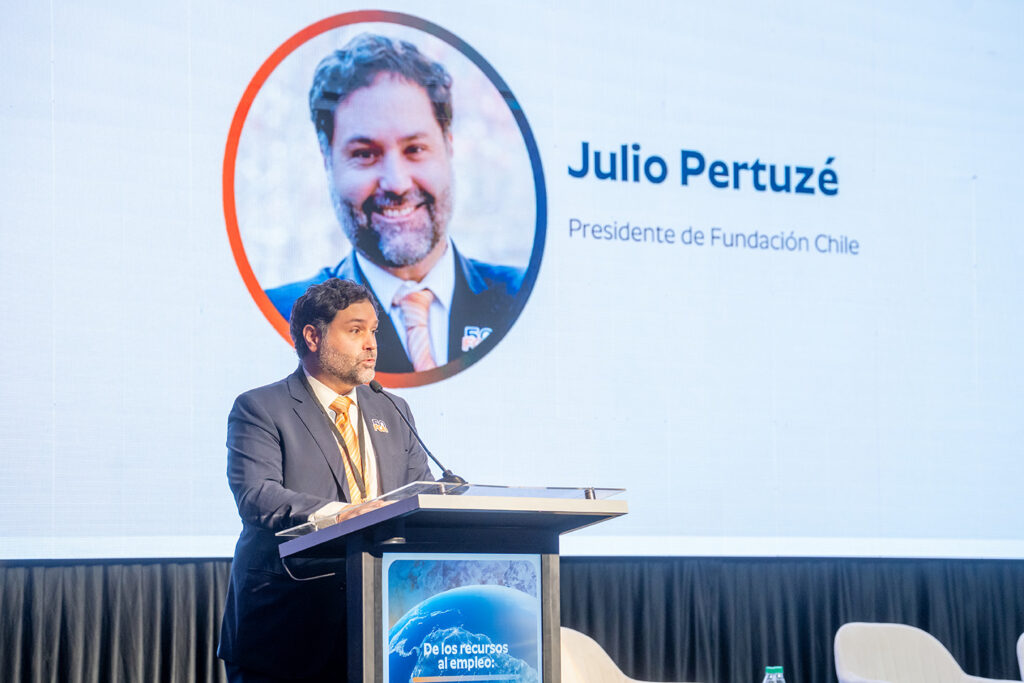
The international dialogue took place in a context in which the region holds some of the world’s most relevant copper and lithium deposits. Along these lines, Fundación Chile’s new President, Julio Pertuzé, stated that “the geopolitical context, the energy transition, and the growing demand for critical minerals represent a historic opportunity for Latin America. We must seize it,” and added that, at Fundación Chile, “we firmly believe that the most relevant challenges are best addressed when all actors collaborate. This capacity for coordination that has characterized us is precisely what we want to bring to today’s conversation.”
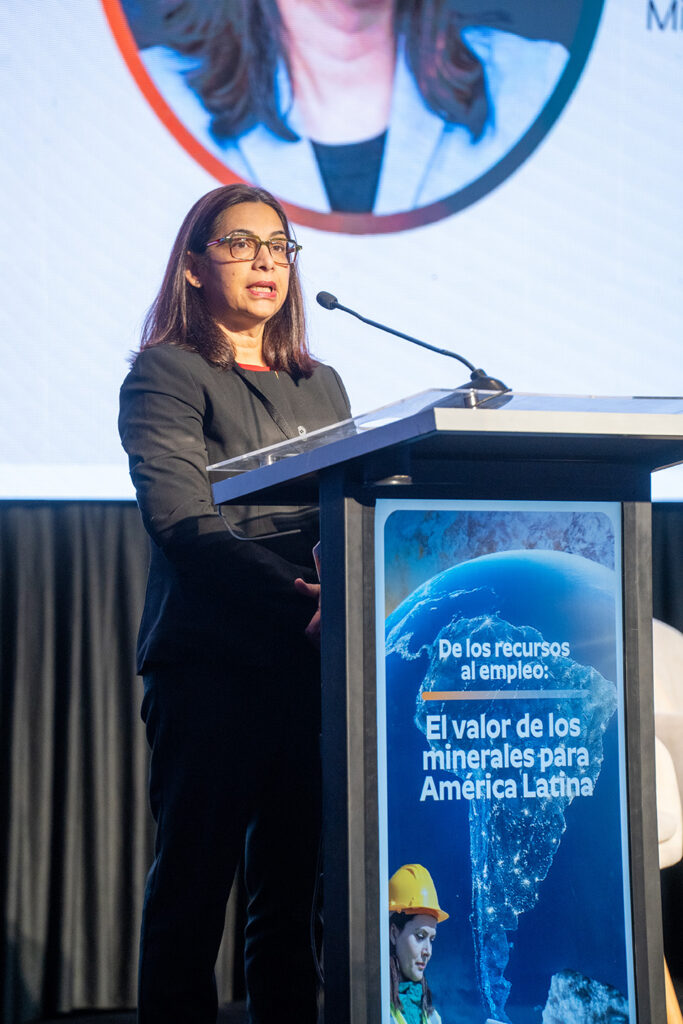
Chile’s Minister of Economy and Mining, Daniel Mas, placed special emphasis on job creation in the sector and stated that “the first link in the virtuous circle of mineral wealth is the generation of formal, quality employment, with specialization, good wages, and opportunities for families. Its impact goes far beyond large companies: behind each operation there are thousands of small and medium-sized companies in services, metalworking, software, transportation, and innovation. The challenge is to continue strengthening this productive fabric.”
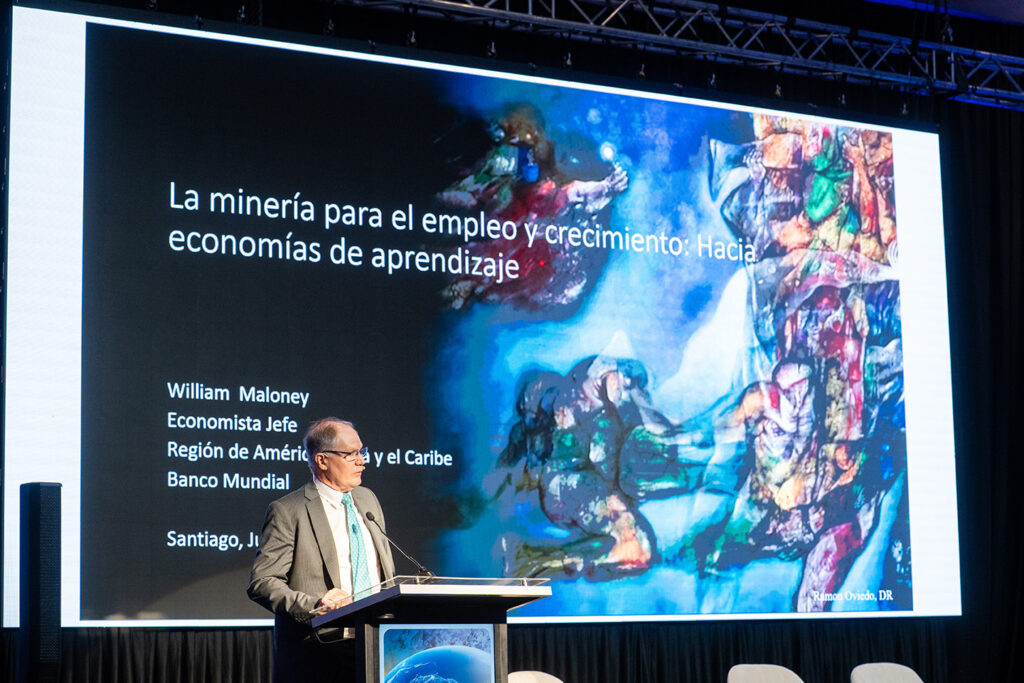
The event addressed four key areas for capturing greater value from mining: quality employment, industrialization, strategic infrastructure, and territorial development. Participants included Namrata Thapar, Global Director for Metals and Minerals at the World Bank Group; William Maloney, Chief Economist for Latin America and the Caribbean at the World Bank Group; Joaquín Villarino, Executive President of the Mining Council; Jorge Cantallopts, Executive Director of Cesco; Carolina Vásquez, General Manager of Sonami; Karolina Guay, Ambassador of Canada to Chile; Iván Arriagada, Executive President of Antofagasta Minerals; Gloria Hutt, President of Copsa; Eduardo Bitrán, researcher at Universidad Adolfo Ibáñez; Carolina Rojas, Head of Mining at the IDB; Miguel Vargas, Governor of Atacama; and Gustavo Fernández, Minister of Production, Labor, and Innovation of San Juan, Argentina.
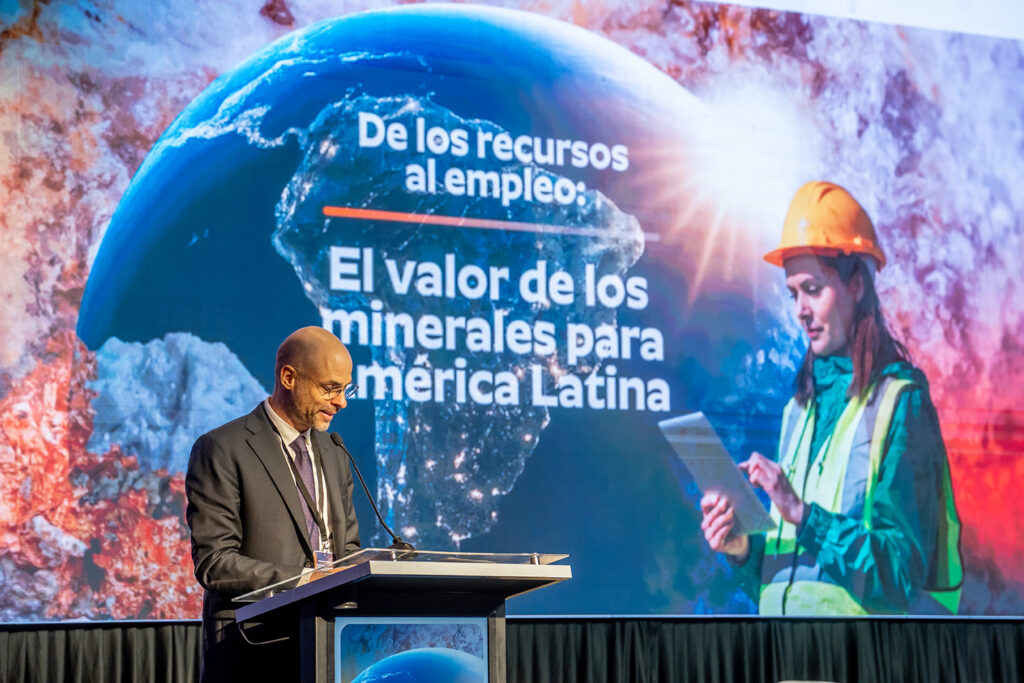
The World Bank Group Country Manager for Chile, Jean-Marc Arbogast, stated that “we want to be a strategic partner for Chile in moving toward more competitive mining and multiplying the value of its minerals, generating quality jobs, new capacities, investment, and opportunities for people. This agenda is also linked to water security, the energy transition, infrastructure, and innovation, essential factors for sustainable mining with greater impact on development.”
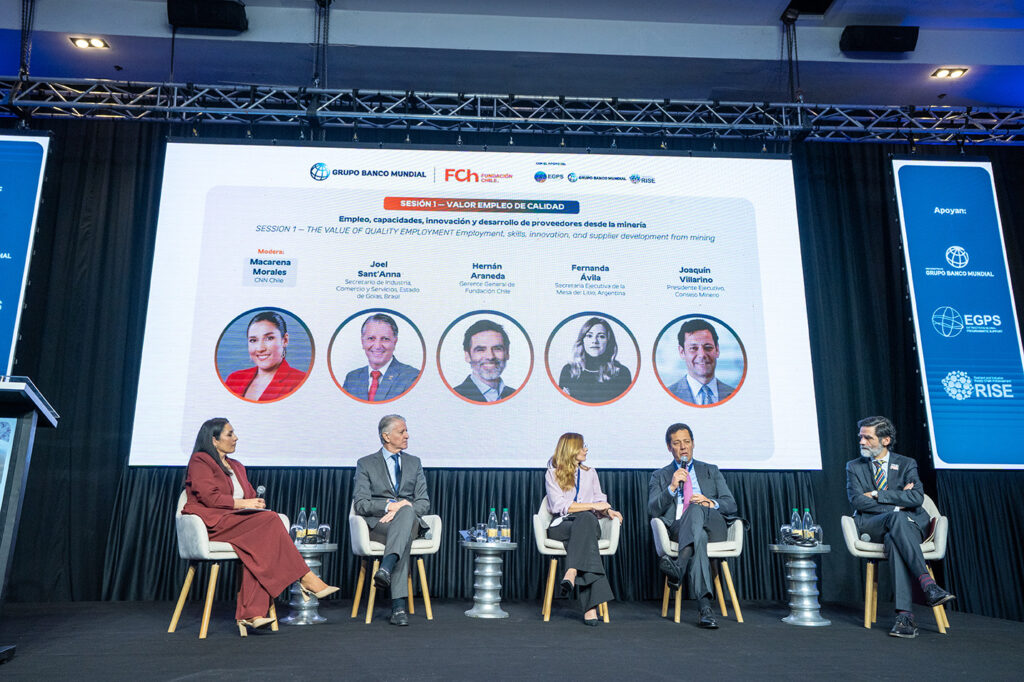
In the reflection on employment, capacities, innovation, and supplier development from mining, Fundación Chile’s General Manager, Hernán Araneda, stated that “mining not only generates foreign exchange and employment: it also opens concrete opportunities for the economic and social development of territories. The challenges currently facing Chilean copper mining — such as declining ore grades and new operational requirements — can become a platform to drive research, innovation, and local capacities. We must strengthen a collaborative ecosystem of suppliers, services, and ventures around the industry. This is a long-term path in which we must persevere.”
During the event, there was consensus among participants on the importance of advancing a shared agenda and promoting active public-private partnerships, impressions gathered by Fundación Chile’s Expande team. One of the main conclusions was that sustained collaboration among the State, companies, suppliers, academia, and communities will be key to transforming Latin America’s minerals into employment, industrialization, and territorial development. Along these lines, coordination with local suppliers and a new relationship with communities appear as fundamental foundations for strengthening a sense of territorial belonging and capturing greater value from mining. According to the exercise carried out, the challenge now is to move from intention to execution, with leadership, long-term coordination, and a shared agenda that makes it possible to turn the region’s mineral potential into sustainable development.